Polyaspartic Floor Coating Fort Mill SC for Modern Garage Floors
Polyaspartic Floor Coating Fort Mill SC for Modern Garage Floors
Blog Article
Long-lasting and Fashionable Surface Coating Options for All Requirement
Durable and attractive floor coating approaches serve a range of requirements in both residential and commercial spaces. The selection of materials can greatly affect not just aesthetics, but also effectiveness and longevity. Factors such as foot traffic and environmental conditions play an key role in the decision-making process. Recognizing these elements can lead to enhanced choices. Yet, with so many options available, how does one determine the most suitable solution?
Finding the Right Floor Coating for Your Area
How might one determine the most ideal floor coating for a distinct environment? Selecting the right floor coating calls for careful consideration of assorted factors. First, you need to analyze the space's function; residential areas may value aesthetics, while industrial settings might concentrate on durability and safety. Next, understanding the foot traffic levels is essential, as coatings differ in resilience. Environmental conditions, including moisture and temperature fluctuations, also play a significant role in coating selection.
Additionally, the substrate type beneath the coating can influence adhesion and compatibility. For example, concrete areas may require specific primers or sealants. One must also consider upkeep needs; some coatings demand consistent maintenance while others provide minimal upkeep options. Cost limitations are equally important, as costs can differ significantly among materials. Ultimately, a well-informed decision involves harmonizing functionality, aesthetics, and cost-effectiveness to achieve the desired outcome.
Most Durable Floor Finishes for High-Traffic Areas
In high-traffic areas, the choice of flooring treatment impacts durability and maintenance significantly. Epoxy floor coatings are recognized for their strength and ability to withstand heavy use, while polyurethane options provide flexibility and resistance to chemical damage. Comprehending the benefits of these options is essential for ensuring long-lasting functionality in challenging environments.
Epoxy Floor Finishes
Epoxy floor coatings rank among a premium choice for busy environments due to their outstanding resilience and robustness. Developed using a blend of epoxy resins and hardeners, these coatings create a resilient surface that can manage heavy foot and vehicle traffic without showing wear. The seamless application process minimizes joints and seams, reducing the risk of water infiltration and mold growth. Additionally, epoxy coatings display impressive resistance to chemicals, stains, and impacts, making them excellent for industrial, commercial, and residential environments. Their glossy finish enhances aesthetics while ensuring slip resistance, promoting safety. Overall, epoxy floor coatings deliver a efficient and visually appealing solution for spaces demanding long-lasting performance.
Polyurethane Ground Solutions
Polyurethane floor coatings serve as a top choice for settings that demand exceptional resilience and resilience. These finishes are particularly appropriate for heavily-used areas, including commercial spaces, warehouses, and industrial facilities. Their strong formulation supplies excellent protection against wear, chemicals, and UV exposure, guaranteeing enduring performance. Additionally, polyurethane coatings deliver flexibility, permitting them to withstand impacts without cracking or peeling. The visual appeal of these solutions is equally significant, since they are available in various finish options and hues, enhancing the overall ambiance of any space. Furthermore, their simple maintenance makes them a practical choice for busy environments, cutting down on downtime and upkeep costs. Consequently, polyurethane floor solutions function as an ideal choice for demanding applications.
How to Select Stylish Floor Treatments That Fit Your Space?
Picking the ideal floor coating can greatly enhance the visual appeal and utility of a space. First, determining the room's intended use is critical; areas with heavy foot traffic may need robust solutions, while more decorative spaces can emphasize visual appeal. Color schemes and helpful information design themes should guide the selection process; neutral tones often create versatility, while bright colors can deliver a powerful effect.
Texture serves as a key element; glossy finishes can introduce a modern flair, while matte options may provide warmth and coziness. Evaluating lighting is vital, as different coatings can reflect light differently, influencing the overall ambiance. Furthermore, maintenance requirements should not be ignored; some coatings demand more upkeep than others.
Finally, partnering with experts can deliver valuable insights into the superior choices compatible with specific environments, ensuring a harmonious blend of style and practicality in any chosen floor coating.
Top Eco-Friendly Surface Treatments for Green Lifestyle
Eco-friendly floor coatings provide numerous benefits, such as decreased environmental impact and improved indoor air quality. Various eco-conscious materials are available, each delivering distinct benefits for different uses. Understanding installation tips can also enhance the longevity of these finishes, guaranteeing a lasting impact to sustainable living.
Advantages of Sustainable Coatings
As the demand for eco-friendly living grows, the advantages of green floor coatings become increasingly apparent. These coatings often utilize organic substances and chemical-free formulations, lowering harmful emissions and supporting better indoor air quality. Their durability ensures long-lasting performance, reducing the need for frequent replacements and thereby decreasing environmental impact over time. Additionally, eco-friendly coatings can enhance energy efficiency by bouncing back light and preserving ideal temperatures within a space. Furthermore, many of these products are biodegradable, ensuring that they do not contribute to landfill waste. By choosing green options, consumers not only support a healthier environment but also invest in stylish, premium flooring solutions that reflect their values of sustainability and responsible living.
Premier Green Material Options
The increasing focus on eco-conscious lifestyles has spurred investigation of various eco-friendly floor coating options. Organic substances such as bamboo and cork have become increasingly popular due to their renewability and low ecological footprint. Additionally, water-based polyurethane coatings are celebrated for their low volatile organic compound (VOC) emissions, rendering them a healthier option for indoor spaces. Rubber flooring made from recycled materials also emerges as a sustainable option, utilizing reclaimed materials while providing durability and comfort. Moreover, epoxies derived from plants are increasingly preferred for their eco-friendly properties, combining strength with a reduced environmental footprint. These sustainable choices not only improve the visual beauty of spaces but also contribute positively to the planet, matching the growing demand for responsible living solutions.
Recommendations for Longevity Applications
Applying eco-friendly floor coatings requires thorough attention to every detail to guarantee lasting results. Proper surface preparation is vital; this includes washing and repairing any imperfections to promote best adhesion. One should keep track of temperature and humidity levels because they considerably affect drying and curing. Utilizing superior applicators such as rollers and brushes helps to better the finish and ensure even application. More thin coats are recommended over a thick single layer to reduce bubbling and enhance durability. It is also vital to allow adequate drying time between coats, following the manufacturer's guidelines. Regular upkeep, involving gentle cleaning with eco-friendly products, will assist in prolonging the life of the coating and maintaining its appearance.
Budget-Friendly Flooring Options
Plenty of homeowners seek out economical floor types that furnish both toughness and aesthetic appeal. Vinyl plank flooring has increased in demand due to its water resistance and variety of styles, echoing natural wood or stone economically. Laminate flooring demonstrates a equivalent look, exhibiting a durable surface that fends off marks and impressions, making it appropriate for high-traffic areas.
In addition, cork flooring is an eco-friendly choice, known for its pleasantness and insulating properties. It is also safe to mold and mildew, ideal for wet environments. For those on the hunt for an even more economical solution, painted concrete can turn a basic slab into a stylish floor, allowing for inventive designs.
These selections not only remain within budget constraints but also offer the necessary durability to resist everyday wear and tear, demonstrating that quality flooring can be obtainable without compromising style.
Steps to Install Your New Floor Coating
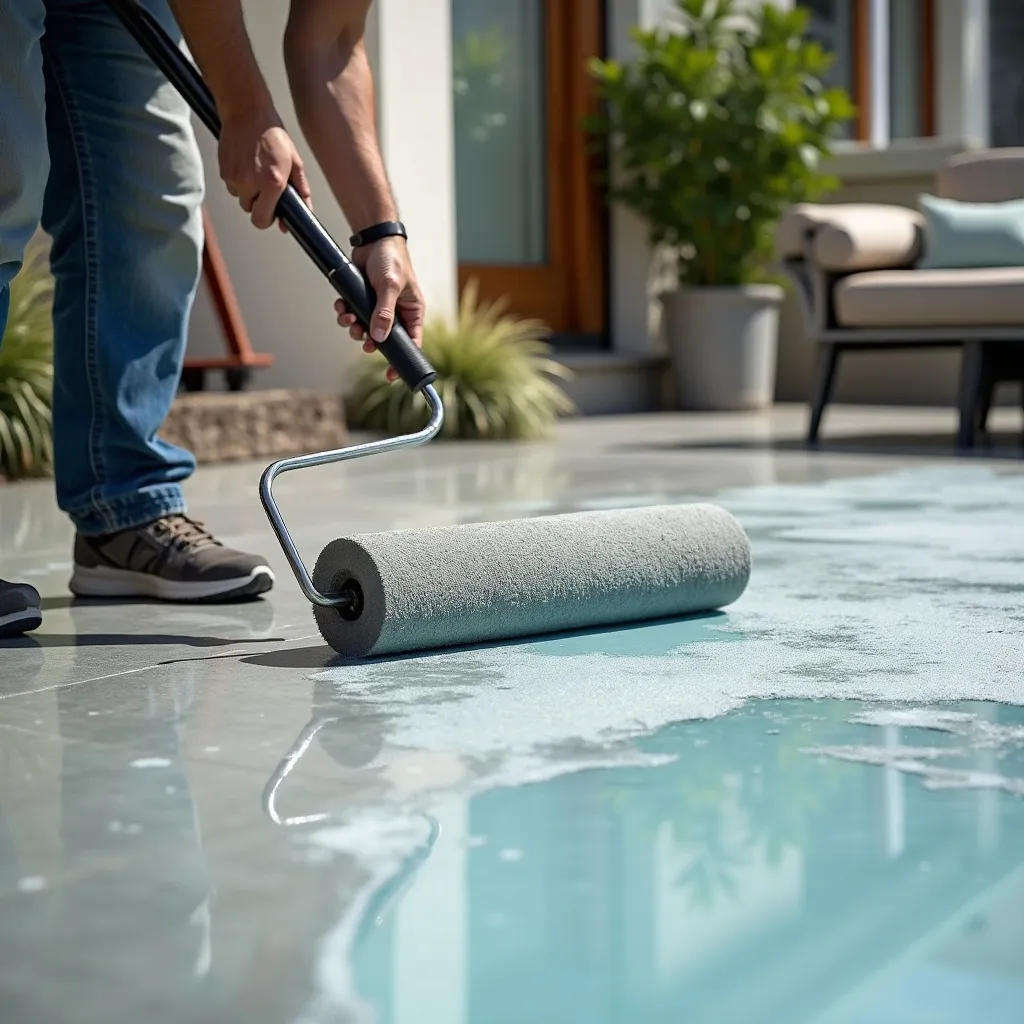
Putting in a new floor coating demands careful preparation and close attention to ensure a lasting finish. First, the current surface must be thoroughly cleaned to remove dust, dirt, and any impurities. This may include sweeping, vacuuming, and mopping. Once the surface is clean, any damage or irregularities should be fixed to confirm a even foundation.
Next, the proper base coat should be applied, suited to the specific type of layer chosen. Following the primer's drying duration, the genuine floor coating can be applied using a roller or brush, making certain uniform coverage. It is important to adhere to the company's instructions regarding coat thickness and drying duration.
When the first layer has hardened, a extra coat could be necessary for improved resilience. Finally, allowing sufficient curing time before significant use is crucial to maintain the soundness of the fresh coating application.
Helpful Suggestions for Preserving Your Floors Looking Fantastic
Once you've properly applied a new floor coating, maintaining its appearance becomes a priority. Regular cleaning is critical; daily sweeping and vacuuming eliminates dirt and debris that can scratch the surface. For more thorough cleaning, using a pH-neutral cleaner with a damp mop protects the coating's finish without causing damage.
Additionally, laying mats at entryways minimizes the quantity of dirt tracked onto the floors. It is wise to avoid harsh chemicals and abrasive tools, as they can deteriorate the coating over time. Spills should be wiped up promptly to avoid staining.
Moreover, regular inspections for deterioration signs can help identify issues before they advance. If warranted, putting on a fresh coat of coating can rejuvenate the floor's appearance and extend its working life. By observing these straightforward maintenance guidelines, one can guarantee that their floor coating remains attractive and functional for years to come.

Frequently Asked Questions
What Timeframe Should You Plan For with Different Floor Coatings?
Different floor coatings typically last between five to twenty years, based on the material and usage. For instance, epoxy can last up to ten years, while polyurethane may endure up to twenty with proper maintenance.
Is it feasible to apply Floor Coatings Over Existing Flooring?
Yes, floor coatings can regularly be installed over existing flooring, provided the surface is clean, dry, and in good condition. Proper preparation is vital to guarantee strong bonding and durability of the new coating.
Which Maintenance Tasks Are Essential for Different Floor Coatings?
Maintenance for floor coatings differs: epoxy needs frequent cleaning and periodic recoating, while polyurethane needs mild cleaning free from strong chemicals. Vinyl coatings often require basic sweeping and mopping to preserve their appearance and longevity.
What Health Risks Are Related to Floor Coatings?
Certain floor coatings could pose health risks, like respiratory issues or skin irritation, mainly due to VOCs (VOCs). Adequate air flow and adherence to safety guidelines can minimize these potential dangers during use and application.
What Influence Do Temperature and Humidity Have on Floor Coating Durability?
Temperature and humidity are crucial to floor coating quality. High humidity may delay the drying process, while extreme temperatures can influence adhesion and cure rates, possibly resulting in weakened resilience and visual finish over time.
Report this page